Why Professional Housekeeping Standards Matter in Modern Hospitality

Why Professional Housekeeping Standards Matter in Modern Hospitality
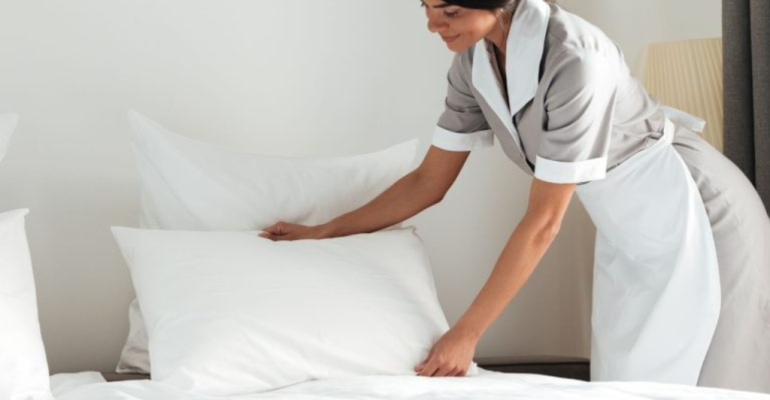
Housekeeping is one of the most important departments within any hospitality business. Although guests often notice the appearance of a room before any other aspect of their stay, professional housekeeping extends far beyond making beds and cleaning bathrooms. It plays a vital role in protecting guest health, supporting operational efficiency, maintaining brand reputation, and ensuring compliance with hygiene and safety standards.
Every guest expects to enter a room that is clean, hygienic, safe, and comfortable. These expectations have become even higher in recent years, with travellers paying greater attention to cleanliness and infection prevention. As a result, housekeeping professionals must possess the knowledge and practical skills required to deliver consistent cleaning standards while following recognised procedures.
Professional housekeeping begins with proper planning. Staff should understand daily cleaning schedules, room priorities, and standard operating procedures (SOPs). A structured cleaning sequence helps ensure that no areas are overlooked while reducing unnecessary movement and improving productivity. Consistency is essential because it enables every guest room to be prepared to the same standard regardless of which employee performs the task.
Cleaning should always follow the principle of working from clean areas to dirty areas and from high surfaces to low surfaces. This approach reduces the risk of cross-contamination by preventing dirt and microorganisms from being transferred onto already cleaned surfaces. Similarly, cleaning cloths, mops, and equipment should be colour coded whenever possible to minimise contamination between bathrooms, bedrooms, public areas, and food-related environments.
Another essential aspect of professional housekeeping is the correct selection and use of cleaning chemicals. Every cleaning product has been designed for a specific purpose. Using the wrong chemical may reduce cleaning effectiveness, damage surfaces, or create unnecessary health risks. Employees should always read product labels, understand dilution instructions, wear the recommended personal protective equipment (PPE), and never mix incompatible chemicals. Safe chemical handling protects both employees and guests while extending the lifespan of hotel assets.
Microfibre cleaning systems have become an industry best practice because they improve soil removal while reducing water and chemical consumption. When used correctly, quality microfibre cloths and mops can capture dust, dirt, and microorganisms more effectively than many traditional cleaning materials. However, these benefits can only be achieved if the equipment is properly maintained, washed according to manufacturer recommendations, and replaced when worn.
Quality inspections are equally important in maintaining housekeeping standards. Supervisors should regularly inspect guest rooms and public areas using objective checklists that evaluate cleanliness, presentation, maintenance issues, and safety concerns. Constructive feedback allows employees to improve their performance while helping management identify recurring problems that require additional training or process improvements.
Professional housekeeping also contributes significantly to sustainability. Hotels can reduce their environmental impact by optimising chemical usage, conserving water and energy, reducing waste, and selecting environmentally responsible cleaning products where appropriate. Sustainable housekeeping practices not only benefit the environment but may also reduce operating costs while meeting the expectations of environmentally conscious guests.
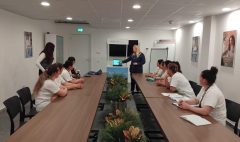
Training remains one of the strongest investments any hospitality organisation can make. New employees require structured induction training, while experienced staff benefit from regular refresher sessions that reinforce safe working practices, introduce updated procedures, and improve service quality. Continuous professional development encourages confidence, accountability, and a culture of excellence throughout the housekeeping department.
Ultimately, housekeeping should be recognised as a professional discipline that combines technical knowledge, attention to detail, health protection, customer service, and teamwork. Organisations that invest in professional housekeeping standards are more likely to achieve higher guest satisfaction, stronger operational performance, improved employee competence, and greater long-term success.